
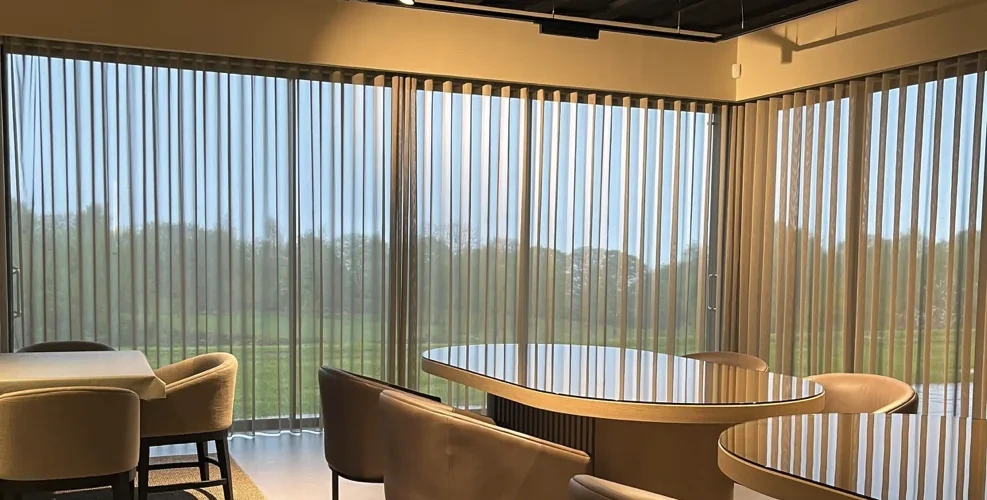
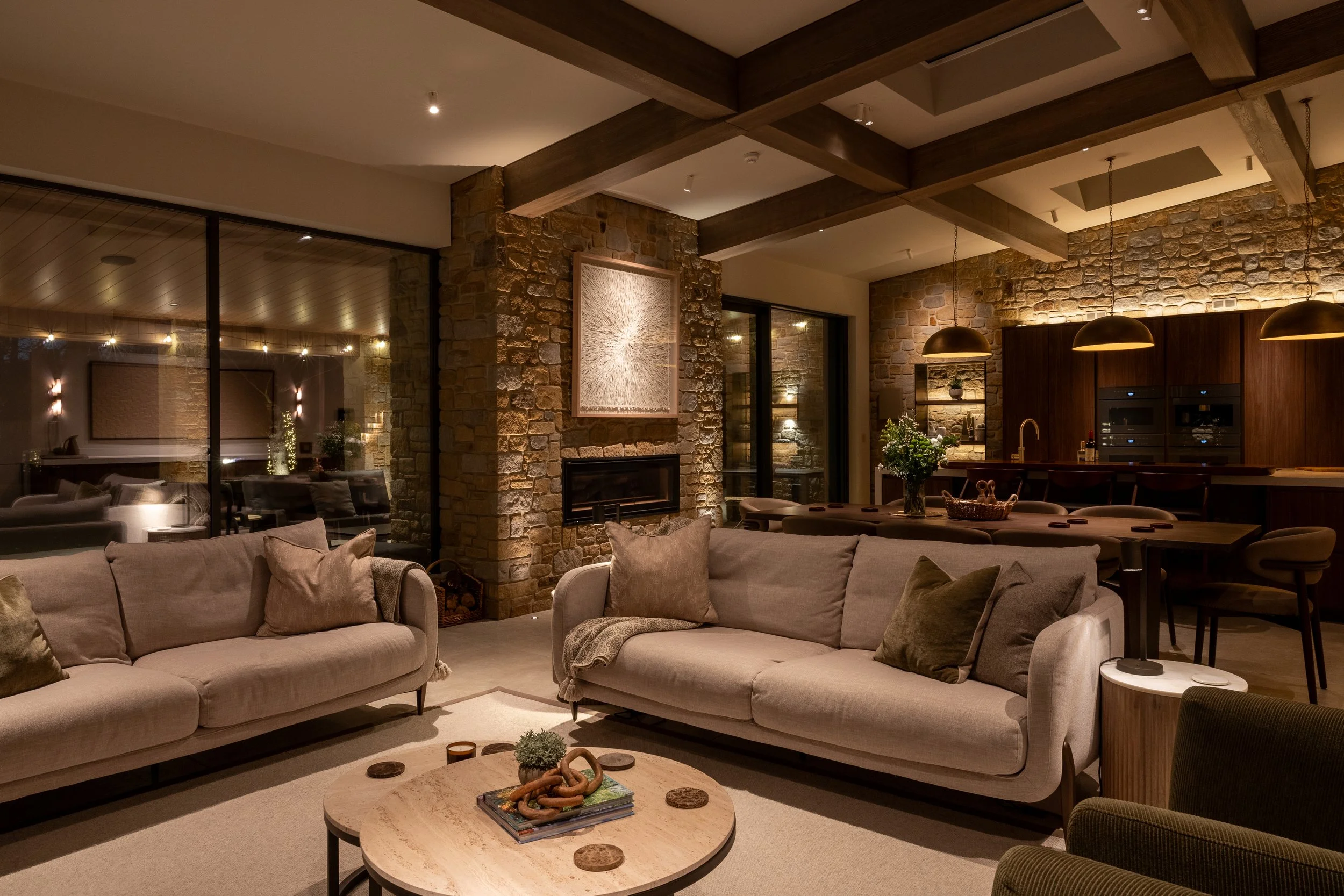
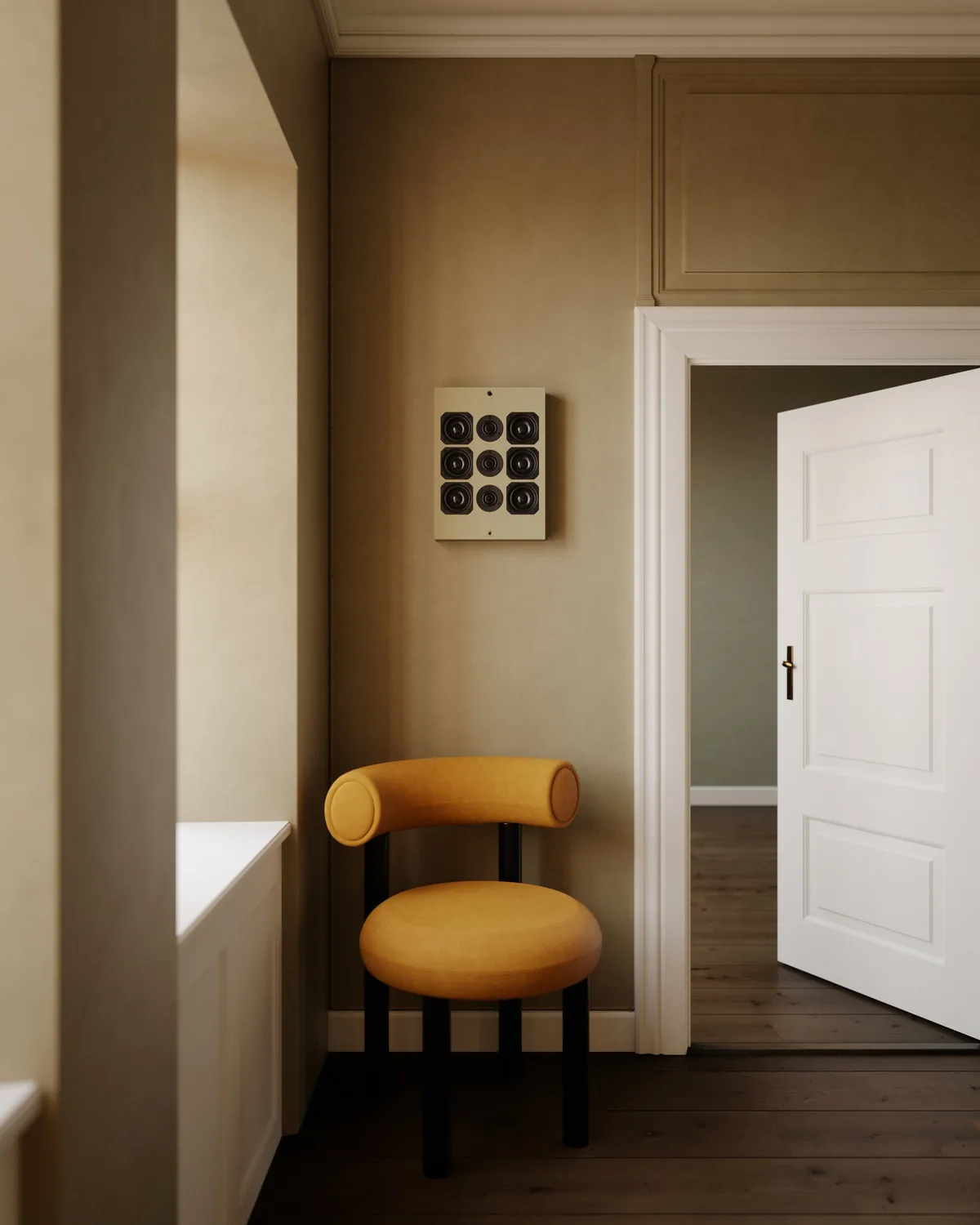


Loud where it needs to be, invisible everywhere else.
Most venue audio asks you to choose between coverage and appearance. K-array is the range that lets you decline the choice, which is why it turns up in our hospitality work and, increasingly, in private bars and party rooms.
- Line arrays that sit two centimetres proud of the wall, in brushed aluminium or steel.
- Even level from the front of the room to the back, without a wall of boxes.
- Subwoofers built into stage fronts, bar joinery and seating plinths.
- Amplification and DSP racked and ventilated, with limits set so nobody can damage it.
The test is simple. A room full of people on a Saturday night should sound the same at the back as it does at the front, and nobody should be able to point at where it is coming from.
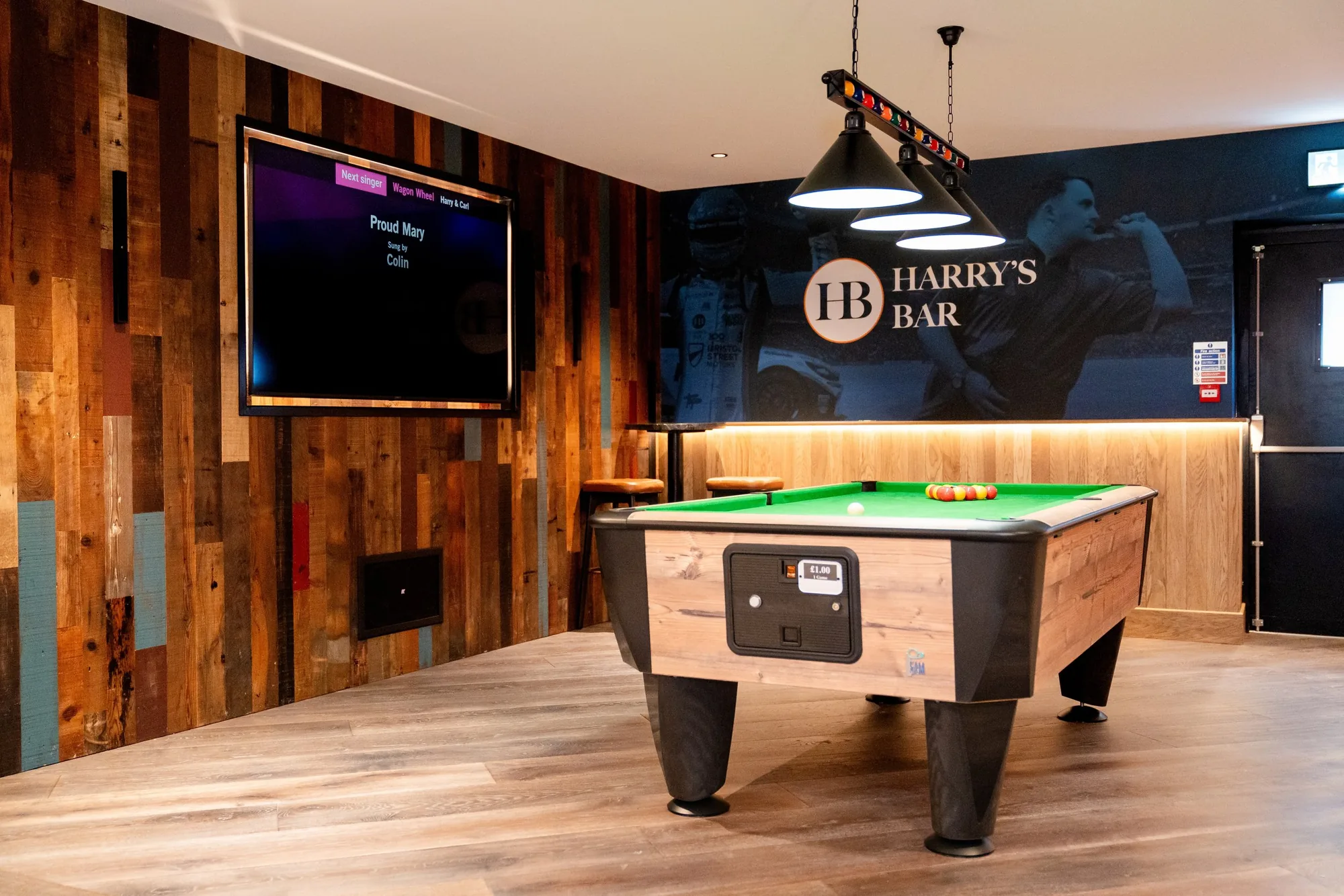
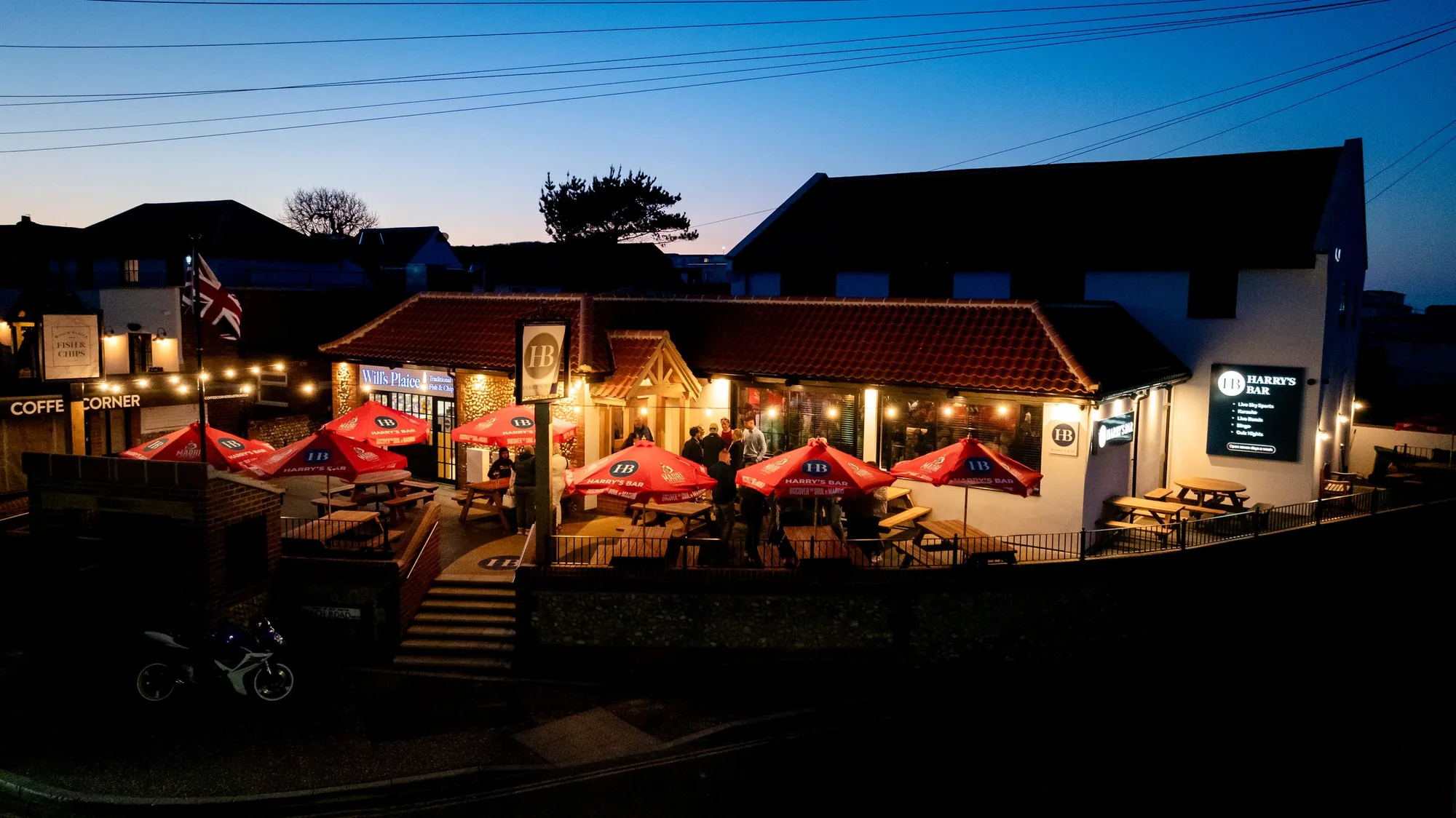
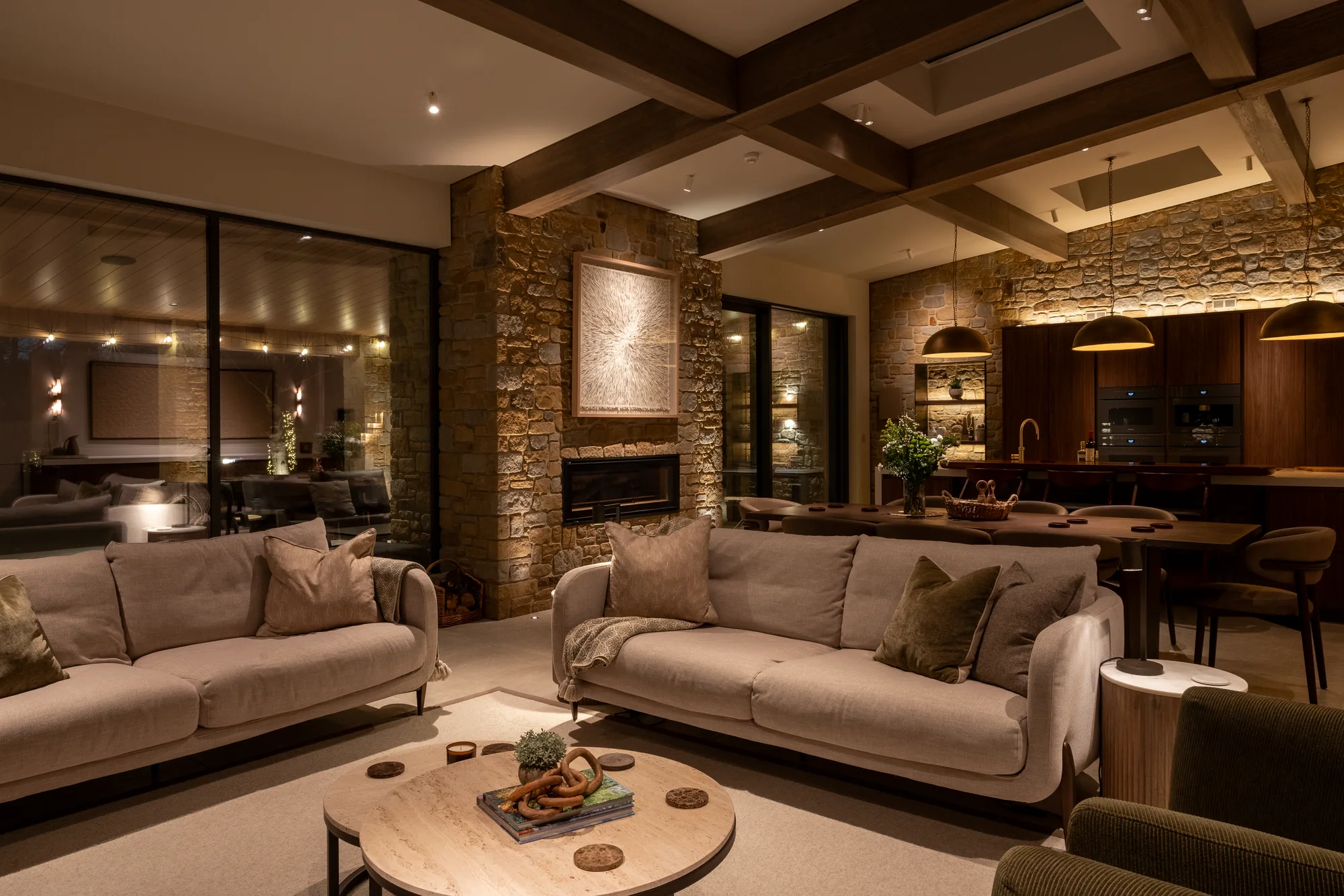
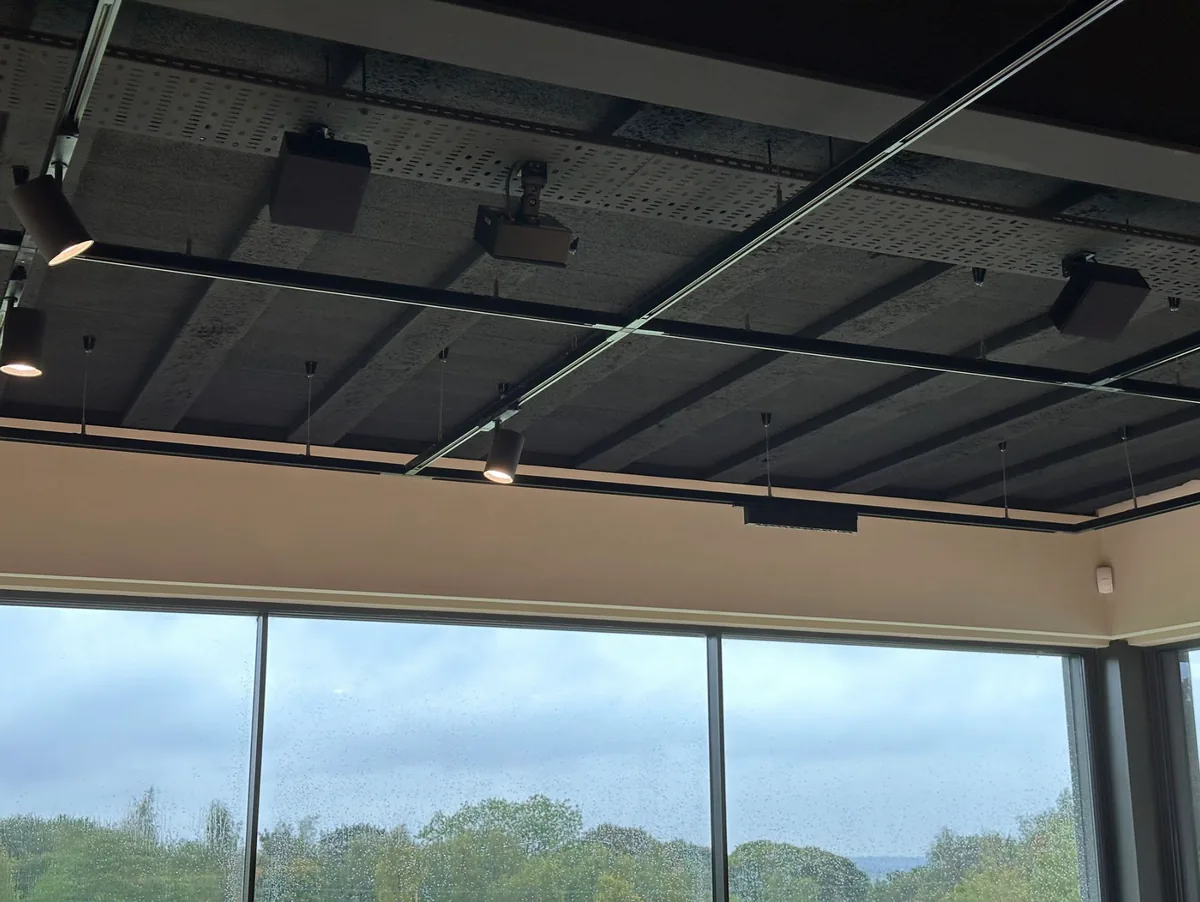
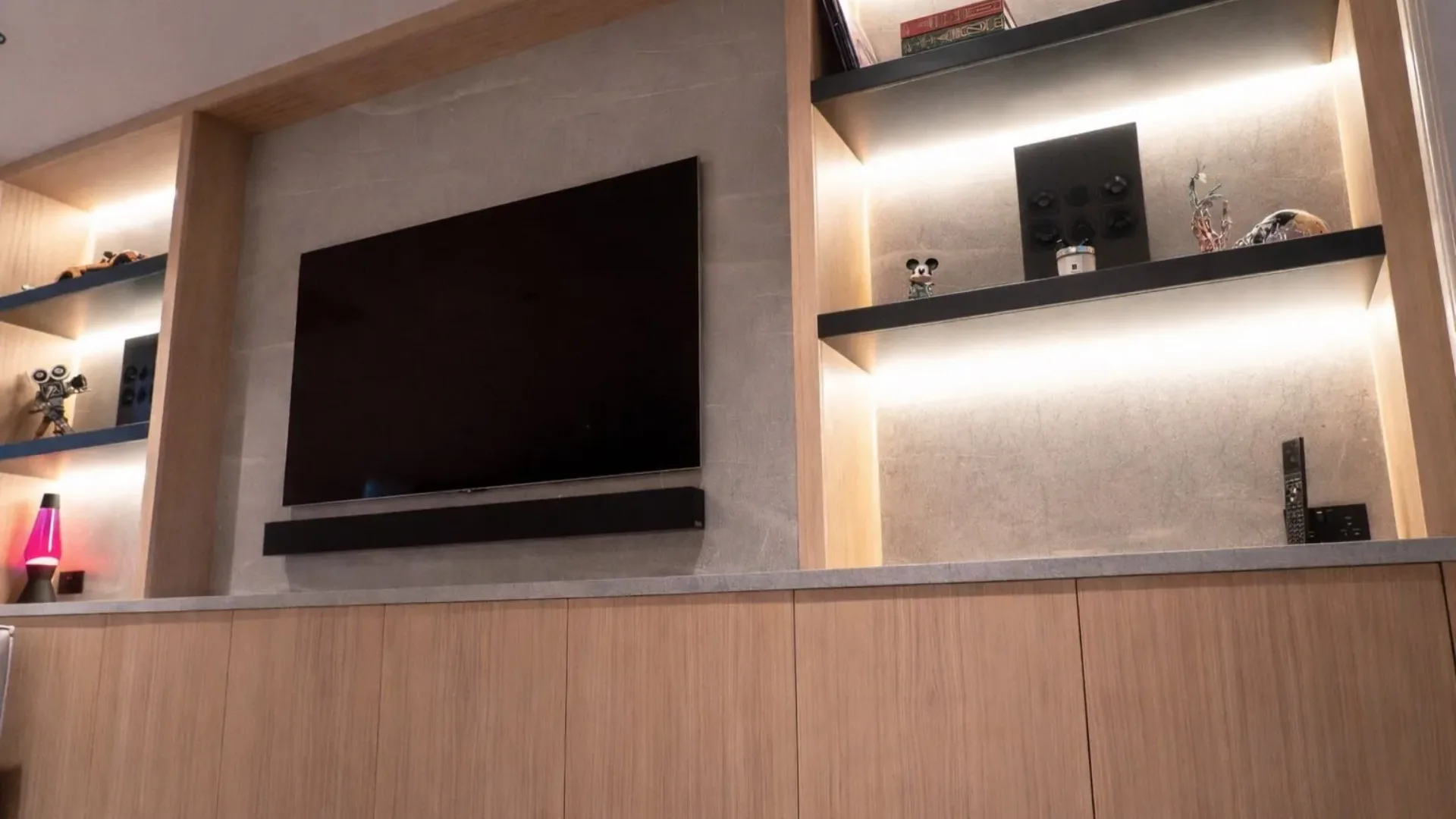
Projects where we’ve installed K-array.
Italian engineering, worked out the hard way.
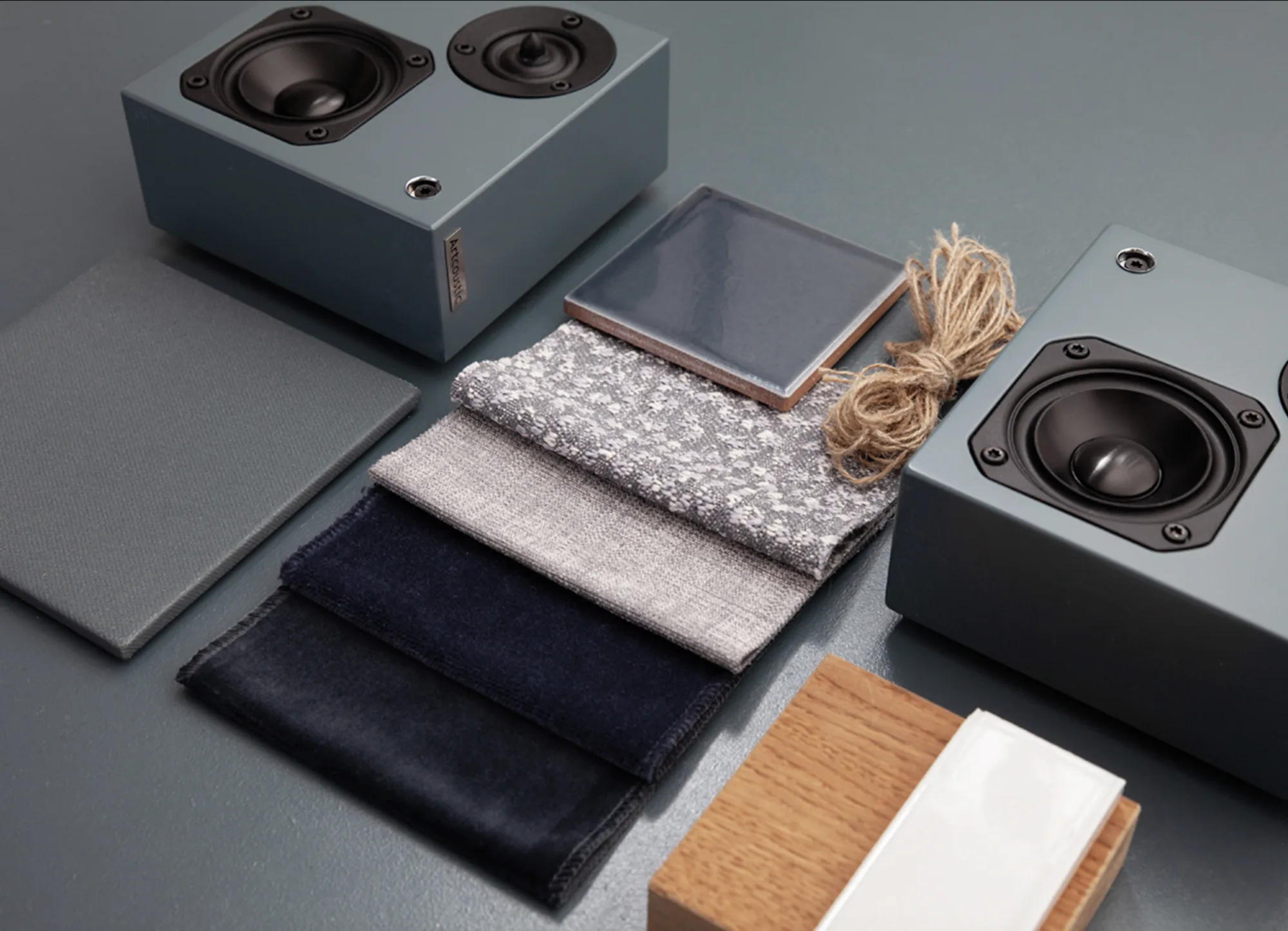
K-array is made in Tuscany and has spent thirty years on one idea: that a loudspeaker can be a slim machined extrusion rather than a box. Its Pure Array line sources put a column of small drivers in a housing that reads as a strip of metal on the wall, and the result covers a room more evenly than a pair of point sources ever will.
The range runs from Lyzard micro elements the size of a pencil, through Vyper aluminium arrays two centimetres deep and Kobra and Python stainless steel columns, to Firenze touring systems. Underneath it sit Rumble and Thunder subwoofers and the Kommander amplifiers that drive and protect the lot.
What we specify.
We use the parts of the range where the form factor genuinely changes what is possible in a room.
What drives the cost.
The speakers are one line. Coverage, structure and processing are where the number really moves.
How the room behaves
A hard-surfaced room with glass and stone needs more thought and often more processing than a soft one. We measure before we specify, so the design answers the room rather than a drawing of it.
Where the arrays can go
Fixing points, cable routes and structure decide as much as the model does. Planned at first fix this is straightforward; retrofitted into finished joinery it rarely is.
Subwoofers and the low end
Building bass into a stage front or bar plinth costs joinery time and is the difference between a system that sounds full and one that sounds thin at the back.
Indicative only. A design visit produces a fixed price.
The systems K-array usually forms part of.
K-array installed across the North West and beyond.
Clitheroe, Whalley, Longridge, Waddington, Ribchester, Chipping, Sabden, Downham, Slaidburn, Wiswell, Great Mitton, Hurst Green, Billington, Langho, Clayton-le-Dale
Fulwood, Penwortham, Broughton, Goosnargh, Grimsargh, Longton, Hutton, Lea, Barton, Woodplumpton
Lytham, St Annes, Ansdell, Fairhaven, Wrea Green, Kirkham, Freckleton, Warton, Singleton
Blackburn, Burnley, Accrington, Chorley, Lancaster, Garstang, Ormskirk, Rawtenstall, Padiham, Whitworth
Didsbury, Chorlton, Bowdon, Hale, Sale, Worsley, Prestwich, Ramsbottom, Bramhall, Cheadle Hulme
Knutsford, Wilmslow, Alderley Edge, Prestbury, Mobberley, Tarporley, Tattenhall, Chelford, Goostrey, Nether Alderley
Alderley Edge, Wilmslow, Prestbury, Hale Barns, Mottram St Andrew, Styal, Dean Row, Handforth
Woolton, Allerton, Aigburth, Formby, Crosby, Heswall, West Kirby, Caldy, Blundellsands
Windermere, Bowness, Ambleside, Grasmere, Coniston, Ullswater, Pooley Bridge, Cartmel, Grange-over-Sands, Keswick
Not on the list? Ask anyway. Plenty of our work sits outside the towns above, and a five-minute phone call will tell you whether we are the right people for it.
K-array, plainly answered.
The rest of the platforms we hold accreditation for.

Let us look at the room.
We visit, listen, measure, and come back with drawings and a fixed price. If another platform suits the house better, we will tell you that too.